For your agency’s blog, writing about AI and Automation is a great way to show that you are ahead of the curve. In 2026, AI isn’t just a “tool”—it’s an assistant that helps you scale your work without needing a huge team.
Here is a 300-word blog post version that breaks it down for your clients:
If you’re still doing everything manually, you’re losing time. In 2026, the secret to scaling a business isn’t working harder; it’s working smarter with AI-driven marketing and automation. These technologies allow even small businesses to deliver the same level of service and personalization as global brands.
Here is how AI and automation are changing the game:
In the past, we sent the same email to everyone. Today, AI analyzes customer behavior in real-time to show different content to different users. Whether it’s an automated product recommendation or a personalized website greeting, AI ensures your message reaches the right person at the exact moment they are ready to buy.
Automation handles the repetitive “heavy lifting.” Instead of manually scheduling posts or sorting through leads, AI-powered systems (like HubSpot AI or Zapier) can:
Score your leads to tell you who is most likely to buy.
Auto-optimize ad spend across platforms like Google and Meta to get the best ROI.
24/7 Support: AI agents handle customer queries instantly, even while you sleep.
AI tools like Surfer SEO or Jasper no longer just help with writing; they predict what topics will trend next. By analyzing millions of data points, AI can tell you exactly what your audience is searching for before they even know it themselves.
AI and automation don’t replace the human touch—they enhance it. By automating the boring, repetitive tasks, you free up your time to focus on what really matters: Strategy, Creativity, and Building Relationship
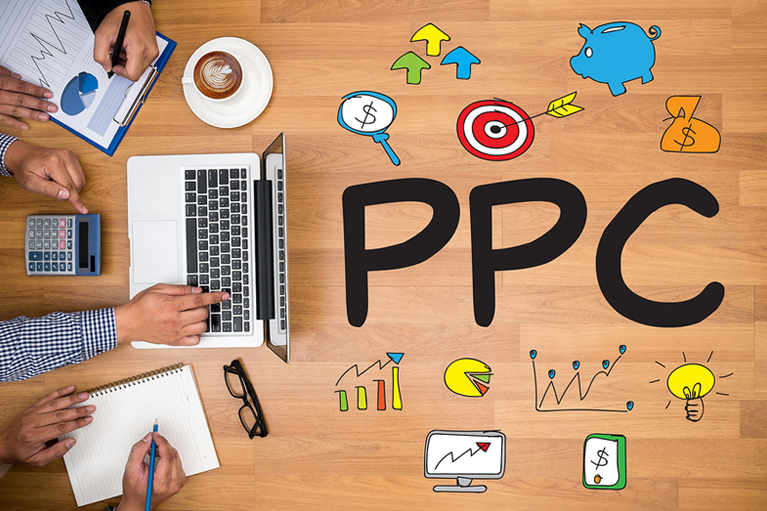
If SEO is a marathon, then PPC (Pay-Per-Click) is a sprint. While SEO takes time to build authority, PPC allows your business to appear at the very top of Google results the moment you launch your campaign.
But what exactly is it? Simply put, PPC is an advertising model where you only pay when someone actually clicks on your ad. It’s the most efficient way to buy targeted traffic to your website.
Think of PPC as a “Smart Auction.” You bid on specific keywords—like “Best Web Developer” or “Digital Marketing Agency.” When a user searches for those terms, Google runs a lightning-fast auction to decide which ads to show. The winners aren’t just those who bid the most money, but those who have the most relevant and high-quality ads.
Instant Visibility: You don’t have to wait months to rank. You can start appearing in front of potential clients today.
Laser-Focused Targeting: You can show your ads only to people in specific locations (like Raipur), or even target people based on their interests and past behavior.
Complete Budget Control: You set your own daily limit. Whether you want to spend ₹500 or ₹50,000, you are always in control of the costs.
Measurable Success: Every rupee spent is tracked. You’ll know exactly which ad led to a phone call or a website inquiry.
PPC is one of the most powerful tools in digital marketing because it connects you with people at the exact moment they are looking for a solution. When combined with a high-conversion website, it is the fastest way to turn strangers into loyal clients.
In 2026, SEO is no longer just about Google keywords. It’s about Social-First Ranking. This means using social media engagement to prove to search engines that your brand is a trusted authority. If you aren’t ranking on social feeds, you’re missing out on the biggest search engines for the new generation.
Here are the 4 key points to master this strategy:
Treat Captions like Keywords: Apps like Instagram and YouTube are now search engines. Don’t just write “Check this out.” Use specific keywords in your captions and on-screen text. If you’re a web developer, ensure “Elementor” or “High-Conversion Web Design” is in the first line so the algorithm knows exactly who to show your content to.
Engagement is the New Backlink: In the past, we focused on getting other websites to link to us. Now, Google looks for “social signals.” When people save your Reels or share your LinkedIn carousels, it tells search engines that your content is high-quality and human-verified.
The “Native-First” Rule: Instead of just posting links to your blog, give the value directly on the social app. Use a 60-second video to explain a marketing tip. When you provide value without asking for a click, your reach explodes, which eventually drives more organic traffic to your agency’s site.
Build “Entity” Authority: The goal is to make your brand name synonymous with your service. When people mention your agency alongside “Digital Marketing,” search engines learn to associate the two. This helps you show up in AI-generated search summaries.
The Bottom Line: Don’t wait for clients to find your website. Build your reputation on social media first, and your Google rankings will follow naturally.
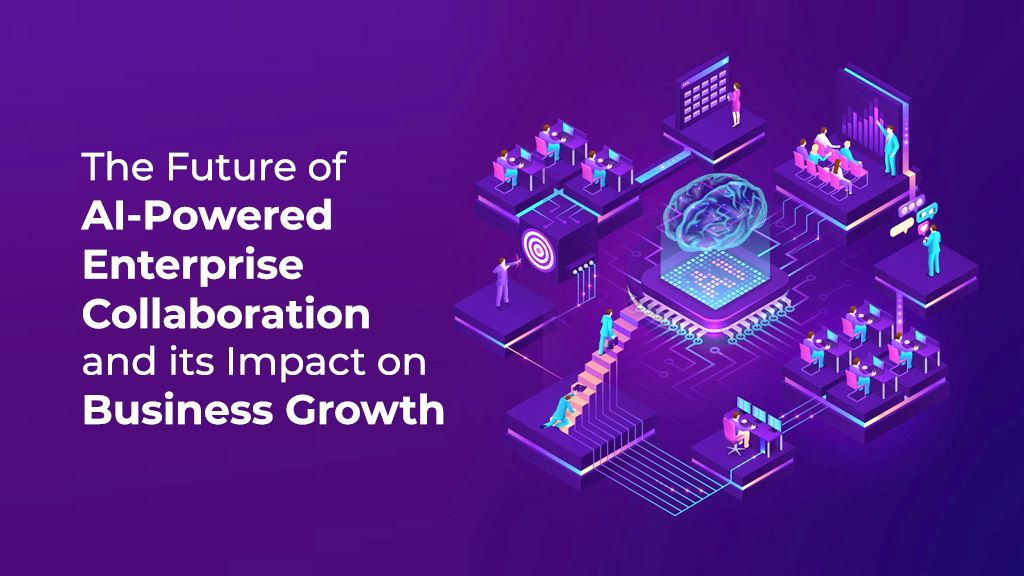
The integration of Artificial Intelligence into branding is no longer a futuristic concept—it is the current standard for high-growth businesses. In 2026, AI-powered branding has shifted from simple automation to Unified Intelligence, where brand identity, customer experience, and strategic growth are managed as a single, responsive ecosystem.
Here is how AI is redefining the future of brand growth:
Traditionally, branding was reactive, based on historical data and “gut feelings.” Today, AI allows brands to be proactive.
Trend Foresight: Using predictive analytics, brands can identify emerging cultural shifts and consumer needs before they become mainstream.
Semantic Protection: AI systems now monitor brand sentiment in real-time across millions of data points, allowing companies to pivot their messaging instantly if a PR risk or opportunity arises.
The “one-size-fits-all” brand voice is dead. AI enables 1:1 branding, where the experience of the brand adapts to the individual user.
Dynamic Identity: Websites and apps can now adjust their layout, tone of voice, and visual assets in real-time based on a user’s browsing history and emotional sentiment.
Predictive Personalization: Brands like Starbucks use AI to suggest products based on time of day, weather, and past habits, moving beyond simple recommendations to anticipating actual intent.
AI has democratized professional-grade branding. Tools that once only generated “generic” names or logos now act as intelligent collaborators.
Unified Brand Hubs: Modern “MarTech” hubs ensure that every AI-generated asset—from an Instagram Reel to a customer service email—stays strictly within brand guidelines (voice, color palette, and archetypes).
In-House Efficiency: Organizations are moving away from outsourcing basic asset production, using “Agentic AI” to build massive, high-quality content engines in-house, significantly reducing costs while increasing speed to market.
As AI handles the “heavy lifting” of data and repetition, the human role has shifted toward high-level strategy and empathy.
Hybrid Intelligence: The most successful brands in 2026 use AI for efficiency but rely on humans for “moral judgment” and creative storytelling.
Ethical Branding: With the decline of third-party cookies, growth is now fueled by
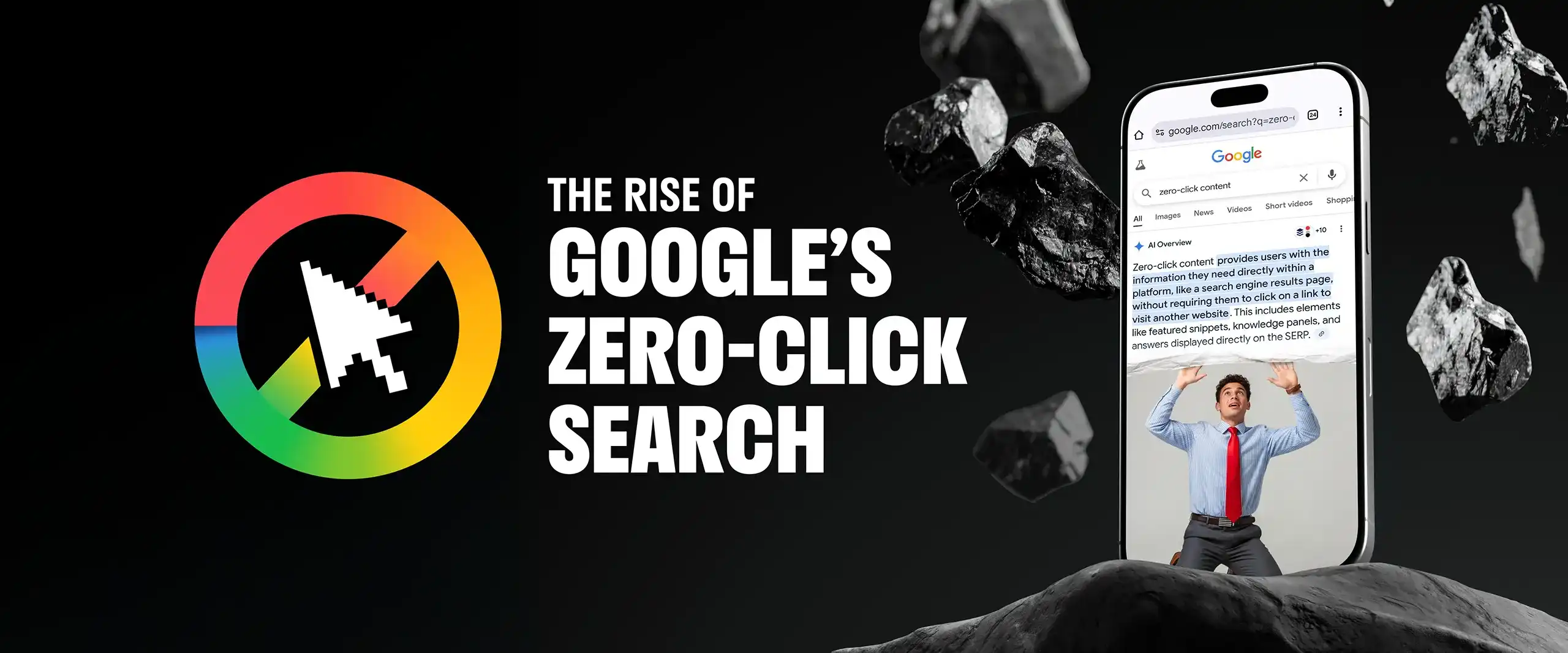
Zero-click searches have crossed 62% of all Google queries in 2026. AI Overviews, featured snippets, and knowledge panels now answer most questions before a user ever visits a website — and yet, savvy marketers are still winning.
The key shift: stop optimizing for clicks, start optimizing for brand mentions and citations. When Google’s AI Overview quotes your content, it acts as a trust signal that drives branded search volume. Track “brand + topic” search trends instead of just ranking positions.
Three tactics working right now: First, create “Source-Worthy” content — long-form, data-backed articles that AI tools want to cite. Second, claim every structured data markup possible (FAQ, HowTo, Product). Third, invest in YouTube SEO; video results bypass AI Overviews entirely and still get traditional clicks.
Brands that publish original research and proprietary data are seeing citation rates 3× higher. DigiMarketAura’s audit tool can show you exactly which of your pages are being cited in AI answers today.
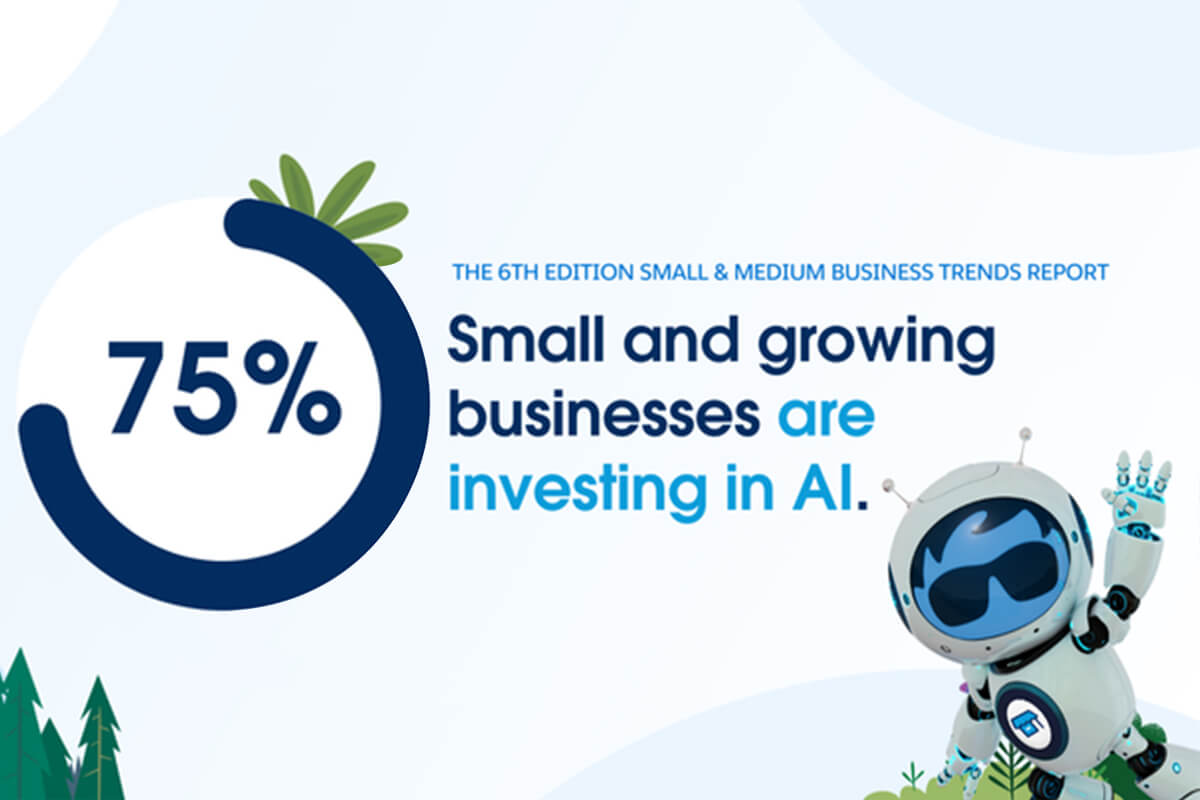
Here is how small businesses are strategically using AI to level the playing field.
Large brands like Starbucks and Amazon use “Deep Brew” or custom algorithms to predict customer needs. In 2026, small businesses are using accessible tools to do the same:
Hyper-Targeted Offers: Tools like HubSpot Breeze or Mailchimp AI analyze purchase history and local context (like weather or time of day) to send personalized offers, a tactic once reserved for global retailers.
The era of frustrating, rigid chatbots is over. Small businesses now use Agentic AI—bots that actually understand context and nuance:
End-to-End Resolution: Modern AI agents don’t just answer FAQs; they can process returns, schedule appointments, and qualify leads autonomously.
Emotional Intelligence: In 2026, AI can detect frustration in a customer’s tone or text and instantly escalate the conversation to a human, ensuring the “small business personal touch” isn’t lost.
Big brands have dedicated creative departments. Small businesses are now using Generative AI to match that volume without the overhead:
Omnichannel Creative: Tools like Canva Business and Jasper allow you to turn one blog post into a week’s worth of social media assets, ad copy, and video scripts in minutes.
Contextual Advertising: With the rollout of ads inside conversational interfaces (like ChatGPT’s 2026 ad testing), small businesses can show up exactly when a user is asking for a recommendation, bypassing the noise of traditional social media feeds.
You no longer need a room full of data scientists to understand your numbers.
Inventory Forecasting: POS systems like Shopify and Square now have integrated AI that tells you exactly what to stock based on emerging market trends and historical sales.
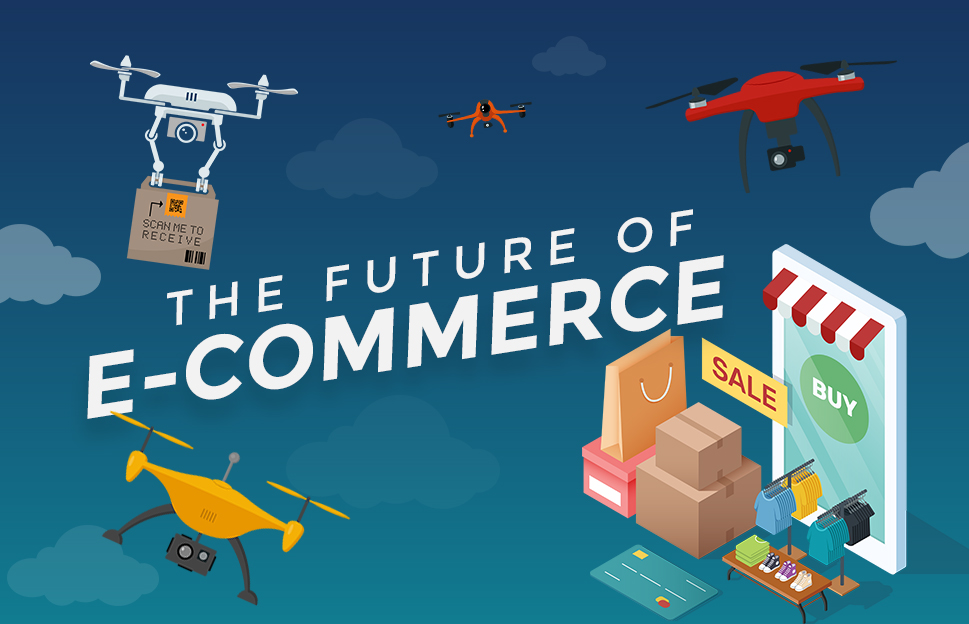
We are moving past the era of manual search. In 2026, Agentic AI—autonomous systems that can reason and take action—is transforming the buyer’s journey.
AI Personal Shoppers: Rather than browsing categories, users interact with agents (like Amazon’s Rufus) that understand vague intent: “Find me a sustainable outfit for a humid outdoor wedding under $200.”
Predictive Inventory: For businesses, AI now predicts stock needs with extreme precision by analyzing real-time social trends and local events, reducing “dead stock” significantly.
Traditional search engine optimization is being challenged by Answer Engine Optimization.
Zero-Click Results: With AI-generated summaries (like Google’s AI Overviews) becoming the primary way people consume information, the goal is no longer just “getting the click,” but being the source that the AI cites.
Conversational SEO: Content is now optimized for how people speak to their devices rather than what they type into a bar. Natural language, structured data (Schema), and topical authority are the new ranking factors.
In 2026, the “storefront” is no longer a destination; it’s a feature within the social feed.
The Creator-Affiliate Hybrid: Creators are no longer just “influencers”; they are decentralized sales departments. Platforms like TikTok Shop have made the transition from “discovery” to “checkout” seamless—often happening in under 30 seconds.
Interactive Livestreaming: Popularized in Asia, live-bid shopping and real-time interactive product demos are now a standard part of Western digital strategy, driving massive conversion rates compared to static product pages.
In 2026, the SEO landscape is no longer just about “tricking” an algorithm to rank a webpage. It has evolved into a sophisticated blend of Data Science, User Experience (UX), and Answer Engine Optimization (AEO).
To stay competitive, digital marketers must move beyond basic keyword research and master these five core skill pillars.
With AI Overviews and conversational agents (ChatGPT, Gemini, Perplexity) dominating search, “ranking #1” is being replaced by “being the cited source.”
Skill: Semantic Triples & Entity Mapping. You need to understand how AI models interpret relationships between entities (e.g., Brand → Product → Benefit).
Action: Learning to structure content in “answer-first” formats—using clear headings, concise definitions, and bulleted lists that AI can easily ingest.
Technical SEO in 2026 isn’t just about sitemaps; it’s about how your site interacts with modern infrastructure.
Skill: Interaction to Next Paint (INP) Mastery. In 2026, INP has fully replaced FID as the key responsiveness metric. You must know how to audit and reduce “Total Blocking Time” caused by heavy JavaScript.
Skill: Schema Architecture. Moving beyond basic “Article” schema to advanced “Dataset,” “ProductModel,” and “Speakable” markup to give search engines explicit context.
Spreadsheets are no longer enough for large-scale SEO. Marketers are now expected to handle “Gargantuan” datasets to find patterns AI might miss.
Skill: Python for Automation. Using Python libraries like Pandas to automate internal link audits or BeautifulSoup to monitor competitor price changes in real-time.
Skill: BigQuery & GA4 Integration. The ability to join Google Search Console data with CRM data to prove the actual ROI of organic traffic.
As AI floods the web with generic content, Google’s “Experience” (the first E in E-E-A-T) has become the ultimate ranking filter.
Skill: Primary Research & Storytelling. You must be able to produce “Information Gain”—adding new, original facts or data to the web that didn’t exist before.
Strategy: Shifting from “Writing for SEO” to “Writing from Experience.” This includes conducting original surveys, case studies, or providing unique expert commentary.
People are searching with their cameras and voices more than their keyboards.
Skill: Visual Asset Optimization. Optimizing images and videos not just for “Alt text,” but for Google Lens and visual discovery engines.
Skill: Video SEO. With “Shorts” appearing heavily in search results, the ability to optimize video transcripts and “Key Moments” is a non-negotiable skill.
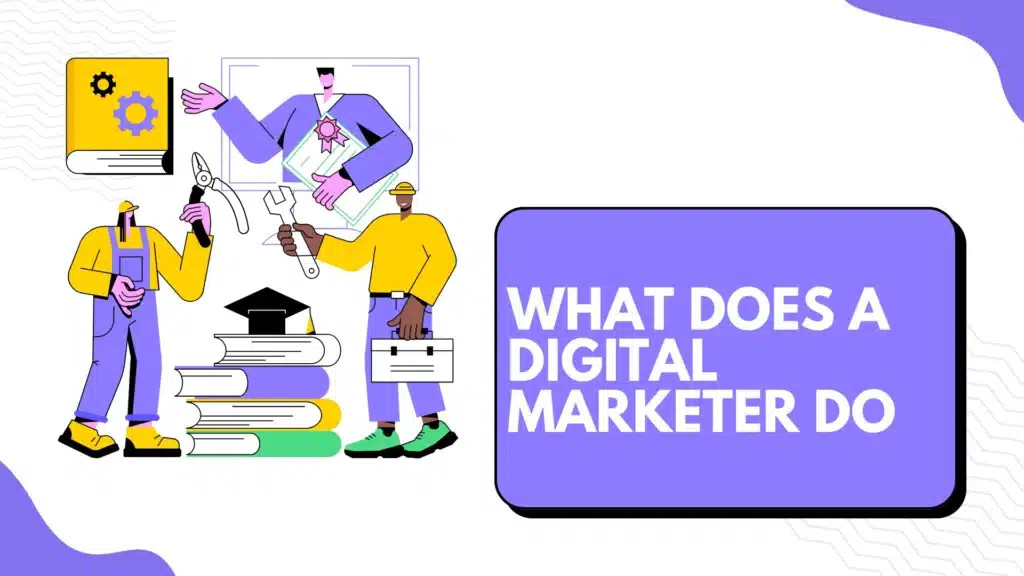
A digital marketer plans, executes, and analyzes online strategies to promote a brand, product, or service and drive measurable business results. Here’s a breakdown of what the role typically involves:
Content & Messaging
Search & Visibility
Social Media
Email Marketing
Analytics & Data
Paid Advertising
The field is broad, and many specialize:
| Specialist | Focus |
|---|---|
| SEO Specialist | Search rankings & organic traffic |
| Social Media Manager | Platform presence & community |
| PPC/Paid Media Manager | Ad campaigns & budgets |
| Content Marketer | Blogs, videos, and lead magnets |
| Email Marketer | List management & campaigns |
| Growth Hacker | Rapid experimentation & scaling |
In short, a digital marketer connects businesses with their audience where people spend their time online — and turns that attention into leads, sales, or loyalty.